
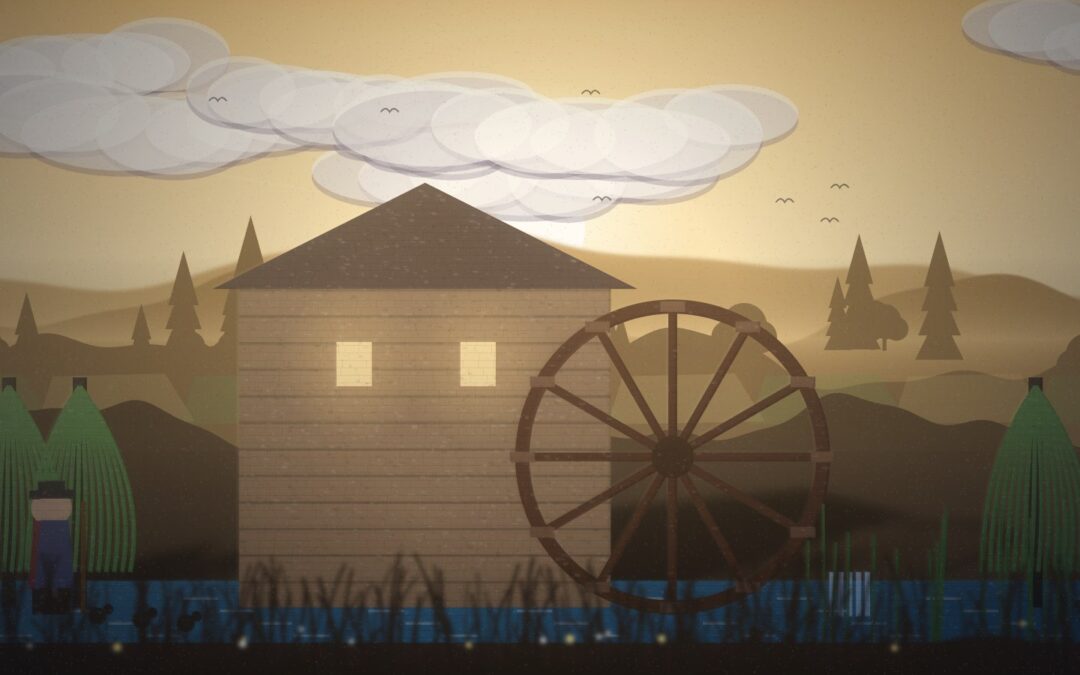
Coldharbour Mill stands a little off the beaten track near the village of Uffculme, on the River Culm. It is a rare survivor of a West Country industry that mattered enormously to the nation in the 17th and 18th centuries, and it is especially interesting because it was built late, in the 18th century, and went on turning a profit well into the 20th. By then most other mills had been converted by their owners to paper or flour.
A mill site since Saxon times
There seems to have been a mill of some kind on or near the Coldharbour site since Saxon times, and the Domesday Book records two mills in the Uffculme area. Before it became a woollen mill, references suggest that it had been a paper mill.
The Fox brothers buy the site
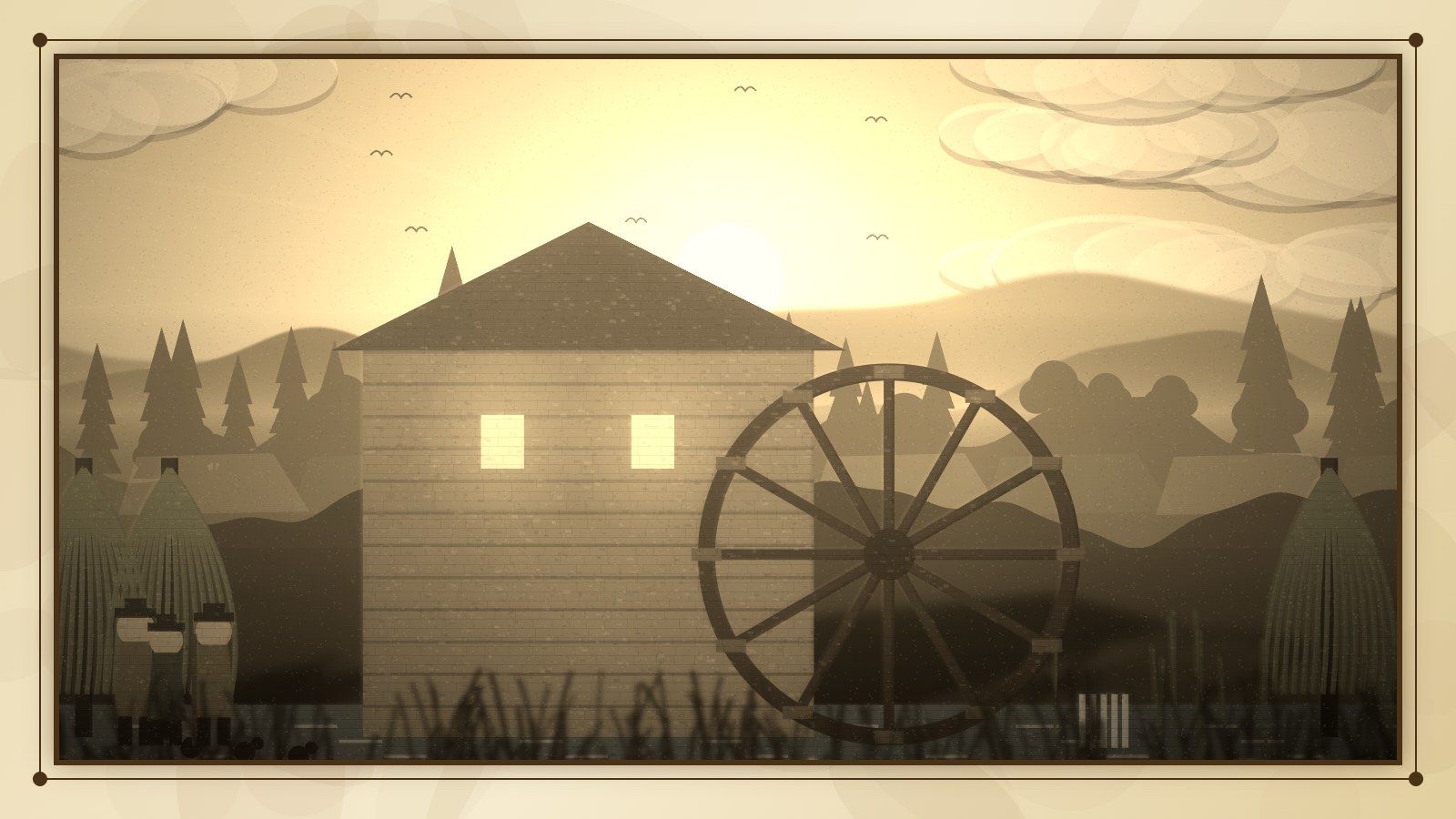
In 1797 two Quaker brothers, the Fox brothers, bought the Coldharbour site for 1,100 guineas. The sale included the original mill buildings and fifteen acres of grazing land. Major redevelopment was needed, but the deciding factor was the head of water available from the River Culm. At that time virtually all mills were still water powered, although the steam engine was about to change that. The water wheel stayed in use right up until 1978, and can still be seen.
Serge, flannel and the export trade
The Foxes’ success lay in making two types of cloth. Serge is a hardwearing cloth much used for uniforms, while flannel was the softer cloth preferred for underwear and trousers. Serge was made in “long ells”, strips of cloth 75 feet long by 31 inches wide, each weighing about 21 pounds. Both products found good export markets in the colonies, China and later America.
Worsted, steam and closure
In 1865 the mill moved from woollen to worsted yarn. Worsted is made from the wool of long-fleeced sheep, which first has to be combed so that all the fibres lie parallel, and the new combing machines needed more power. A 25hp steam beam engine was installed first, followed by a second in 1890. A Pollit & Wigzell 300hp cross-compound steam engine replaced them in 1910 and worked alongside the water wheel until the Foxes closed the mill in April 1981.
The working museum today
Today the mill is a working museum. A guided tour follows every step of the process, from combing and carding to spinning, and the machinery is operational, much of it more than 100 years old. Volunteers demonstrate what each machine does. The cross-compound steam engine still works in its original place, and a replacement beam engine has been re-erected on the site of one of the originals.
Outside there is plenty more to see: the engine and boiler room, the gas retort house (gas lit the mill and part of the village), the weavers’, carpenters’ and dye workshops, and an old air-raid shelter.
Fox Brothers and the factory system
Coldharbour was built between 1797 and 1799 for the Fox Brothers company, whose first spinning mill in the South West it was. Fox Brothers helped turn what had been a largely domestic industry into factory production. The mill took in fleece from all over the world and turned it into yarn, cloth and textiles.
Puttees for the First World War
During the First World War Fox Brothers became the major producer of puttees, the cloth leg wrappings worn by soldiers, making some 850 miles of the cloth.
Closed in 1981, reborn in 1982
The Fox company closed the mill in 1981, but the story did not end there. From 1982 Coldharbour Mill has run as a working wool museum that still produces yarn commercially.
Listed and preserved
Historic England lists Coldharbour Mill at Grade II*, a listing first made in 1987. Its report notes the highly unusual survival of an intact gas retort house, the building where the mill made its own gas.
Source: Heritage Trail (theheritagetrail.co.uk), Coldharbour Mill entry. Further details from Historic England (list entry and 2001 Historic Buildings Report) and Coldharbour Mill Working Wool Museum.