

The Great Fire of 1839 was the worst disaster in Cullompton’s history. It began on a Sunday, as people were coming home from church, among the thatched roofs of the lower town. Reports written at the time, preserved by David Pugsley and in Murray T. Foster’s A History of Cullompton, give a vivid picture of what happened.
Where it started
About a quarter past twelve, as people returned from church, cries of “Fire” were raised and flames were seen coming from a small house in Exeter Street (now Exeter Road), opposite New Street, occupied by John Walters, a shoemaker. Another account says the fire began at the Boot Inn at the end of New Street, kept by William Walters.
The houses were mostly thatched and, after dry weather, as flammable as timber. A strong southerly wind carried heavy flakes of fire up to the higher part of the town, and neighbours who had gone to help were forced to go back and protect their own homes.
The engines
The Cullompton engines were on the spot at the outbreak, but it was nearly three-quarters of an hour before they could be brought into action because they were “out of repair”, and one was entirely useless. Engines arrived from Tiverton, Bradninch and Exeter. By then the fire had reached New Street, and the town was burning in six or seven places at once as flakes fell on other thatched roofs. Even the mud garden walls, thatched with straw to keep off the wet, caught light.
The men of the Exeter engines worked from half past three in the afternoon until eleven, rested briefly and were recalled to work until three the next morning. The little Cullompton engine was abandoned in New Street when the heat became too great, and was burned.
The cost
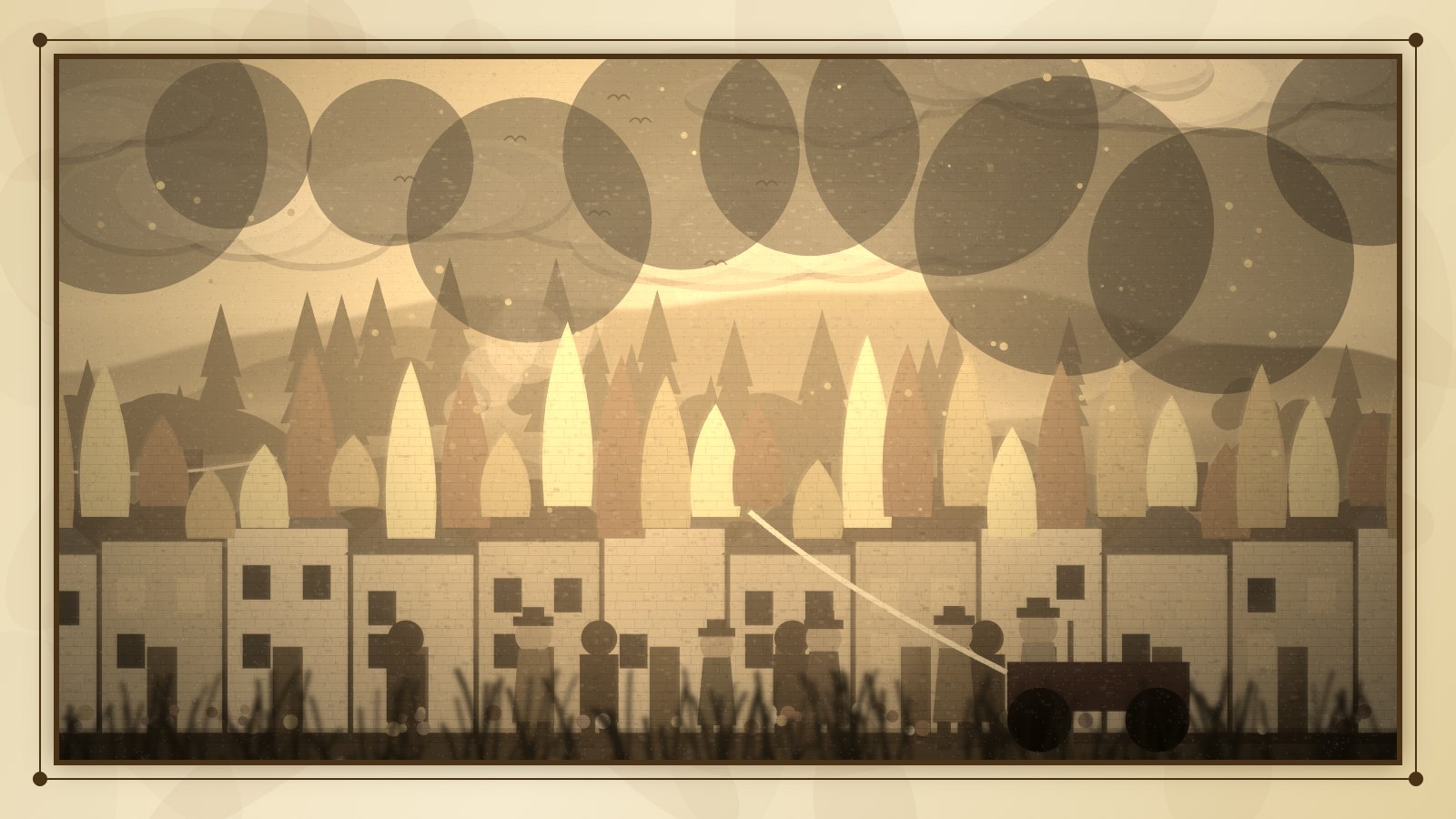
Both sides of New Street, one side of Crow Green and many houses in the Higher Bull Ring were destroyed. The number of dwelling houses lost was put at about 143, leaving some 200 families homeless, although another record suggests around 260 cottages in New Street, Crow Green and the Lower Bull Ring were burned. The loss of property was estimated at between £15,000 and £18,000.
Among the principal losers were Mr Gabriel, surgeon, whose house was destroyed, Mr Nichols, chemist, Mr Webber, builder, whose extensive timber yard was lost, the bakers John Wills and Mr Budd, and John Mills, paper manufacturer. Premises in Fore Street, including the Post Office and the White Hart, caught fire several times but were saved by men placed on the roofs.
People and horses
Few lives were lost. One poor chimney sweep named Rowe had his back broken by a falling wall and died of his injuries. A group of ducks in a pond beside Mr Whitter’s premises, surrounded by burning houses, had no escape.
An express rider sent by Mr Mitchell of the Post Office reached Exeter, 12 miles away, in the remarkable time of 32 minutes, on a horse lent by Mr Bowerman of the White Hart. Mr Bowerman also sent another horse to fetch the Tiverton engine. Several gentlemen of the town, including T. C. Hine and Lieutenant Moore RN, opened their houses to people trying to save their belongings, and provided wine, spirits and refreshments.
Help for the homeless
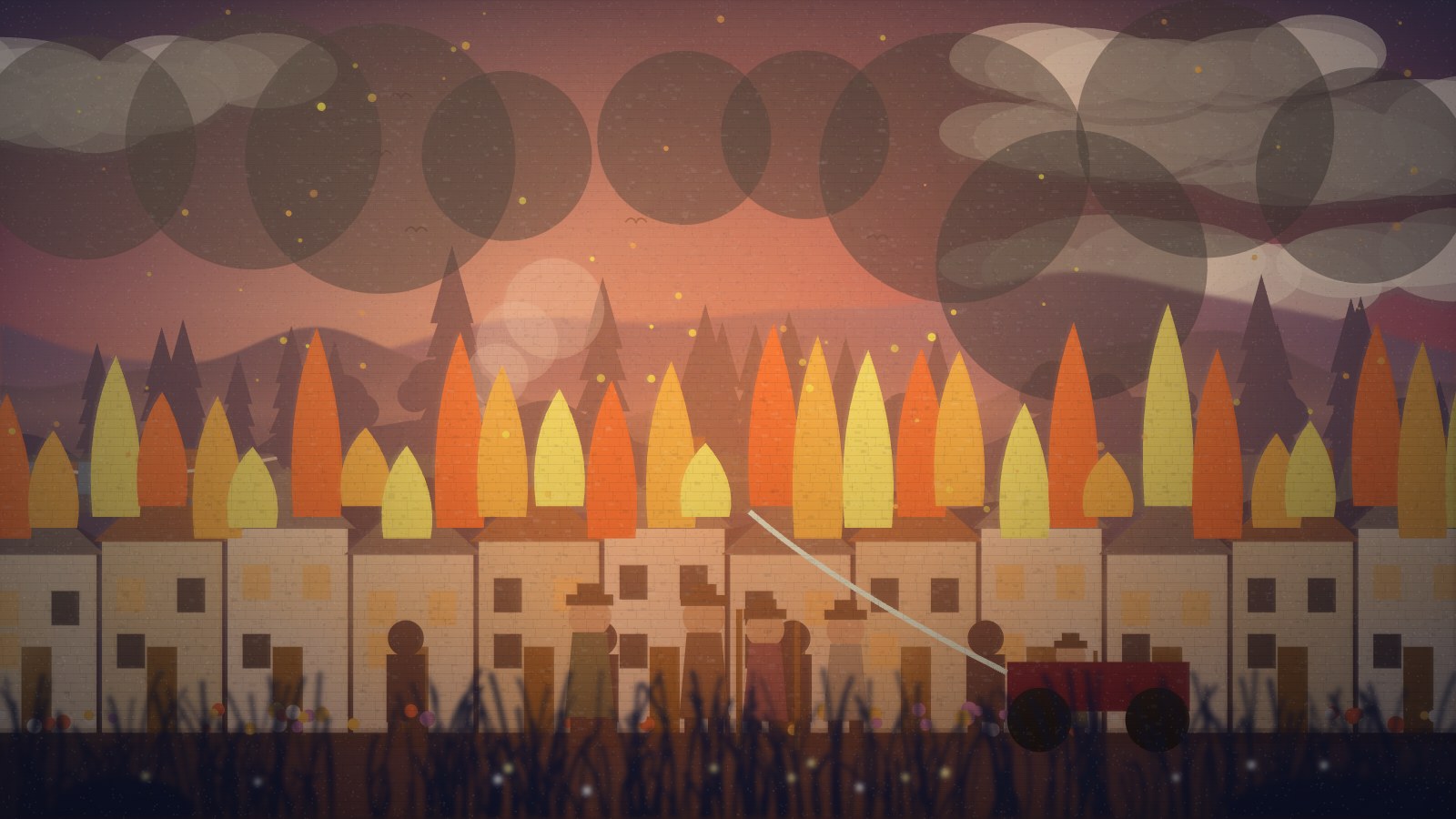
By good fortune some 50 to 60 new houses had just been built and were unoccupied, and families took what they could save into them. The workhouse, then empty, also took in the destitute, who were said to be thankful for such a refuge. Most of the men burned out were employed by Mr Upcott, sole proprietor of the woollen manufacture at Coldharbour Mill and a devoted Quaker.
A public meeting was held to raise a subscription, and by Tuesday morning £160 had been collected. E. S. Drewe of the Grange took the most active steps, and the vicar, Mr Sykes, worked tirelessly for the sufferers. Most people believed the fire to have been accidental, though there were various rumours about its origin.
Other accounts of the fire
Accounts of the fire differ. A contemporary Exeter newspaper account says it began from a chimney in a back street near New Street and spread into New Street on a north-westerly wind. The 1839 report said about 100 houses were destroyed and 120 families left without homes, mostly poor weavers. Other writers give 145 houses, or around 260 cottages, so the true figure is uncertain.
Thatch gives way to slate
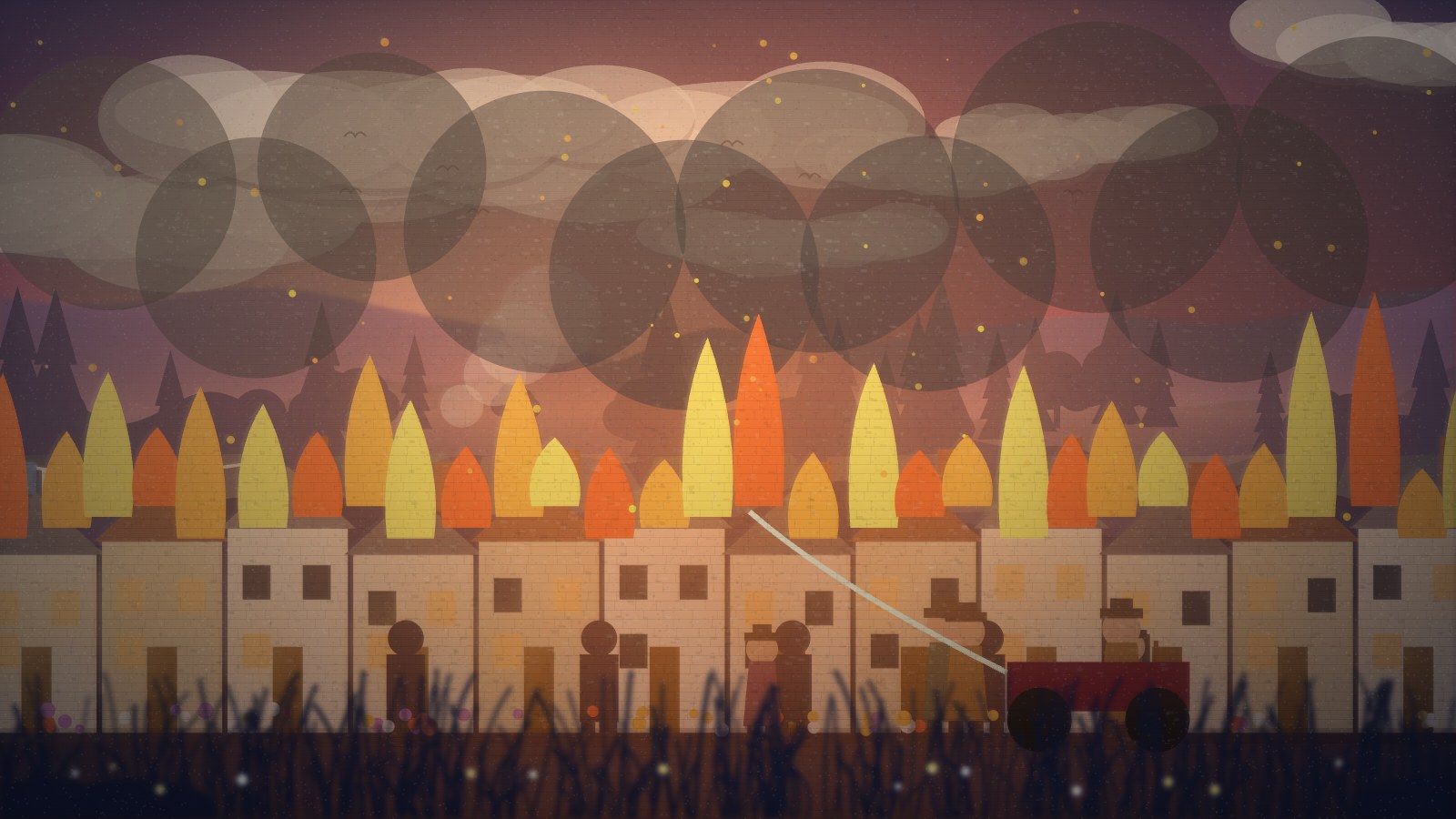
Most of the damaged houses were roofed with straw thatch, which was exceptionally dangerous in dry weather. After the fire, slate became the main roofing material in the town, and the sites of the burned houses were rebuilt as neat buildings with slated roofs. Some listed buildings in Church Street may date from the rebuilding of the 1840s.
Money for the sufferers
A relief subscription was raised across the district. One recorded gift was £5 from Barne and Son, tanners of Tiverton.
Sources: David Pugsley; A History of Cullompton by Murray T. Foster. Figures are as given in contemporary reports and differ between accounts. Further details from the Exeter Flying Post (1839) as quoted on Devon Heritage, GENUKI, Mid Devon’s Cullompton Conservation Area Appraisal and Historic England.