

Few towns of Cullompton’s size can point to a trade that has run, in one form or another, for more than three centuries. Paper-making is that trade. The River Culm gave mill owners a steady flow of clean water and a fall of land to drive machinery, and the nearby wool towns and ports supplied rags and customers. This article follows what the sources can actually support, and says plainly where they are thin.
The earliest evidence
A recovery deed of 1674 mentions a paper mill in the Cullompton area. Exeter Archaeology, which has studied the mills of the valley, treats this as the earliest paper mill on the River Culm. It was a modest start: paper in the seventeenth century was made sheet by sheet from rags, and a mill of that date was a small workshop rather than a factory.
Paper-making replaced, and sometimes occupied the sites of, older corn and fulling mills. That reuse of water rights and leats is a pattern across Devon, and it explains why paper mills cluster on rivers that had already been worked for wool and grain.
Higher Kings Mill
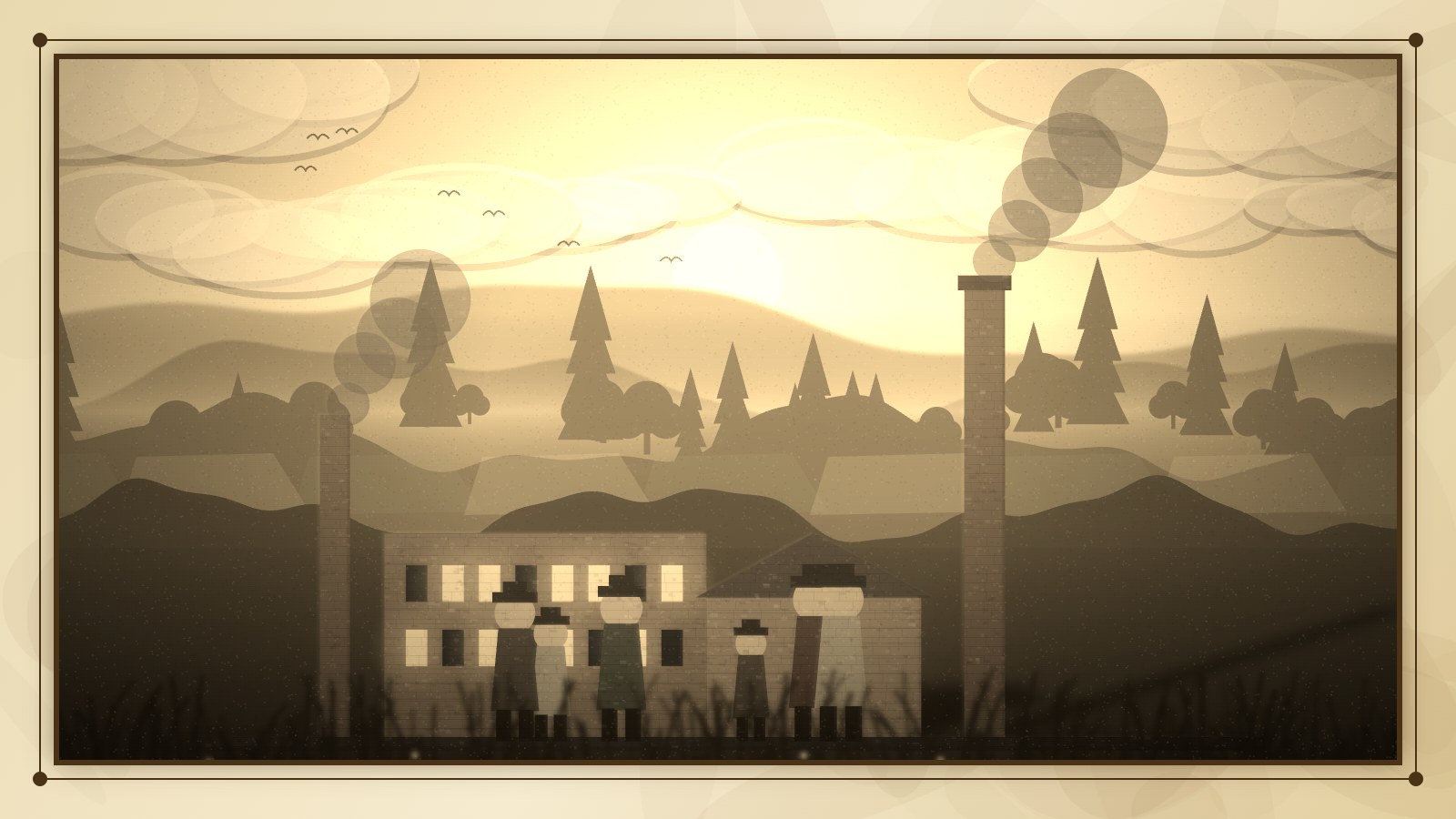
Higher Kings Mill, on the edge of Cullompton, made paper by hand from the 1750s. By the nineteenth century it was in the hands of Reed and Smith, who are recorded as proprietors from 1886 until 1976. The mill later passed to DS Smith Paper, and in September 2011 the business was bought by the Asia File Corporation, trading locally as Higher Kings Mill Ltd.
Those dates show something worth noticing: ownership changed hands several times, but the site kept making paper. The long run of the Reed and Smith name, ninety years, helps explain why older residents still associate the mill with a single local employer.
The mills at Hele
A few miles south, at Hele, Charles Dewdney and William Matthews converted three grist mills into paper mills in 1767. The works there is today known as Devon Valley Mill and is associated with specialist papers, including sausage-casing and teabag paper, sold under the Crompton Paper name. The Culm Valley therefore held a cluster of mills rather than one isolated works.
Further up the valley, the paper mill at Silverton stopped production in 1999, a reminder that the trade has contracted as well as survived.

Why the Culm suited the trade
Paper-making needs plenty of soft, reasonably clean water, a reliable head of water for power, and good transport for bulky raw materials and finished stock. The Culm offered the first two; roads to Exeter and, later, the railway and motorway offered the third.
Gaps and cautions
Some of what circulates about the larger mills in the town is not firmly sourced. Figures for workforce numbers at particular works, and the identification of which mill belonged to which later owner, vary between accounts, so they are left out here rather than guessed. Anyone wanting more should consult the Devon Historic Environment Record and Exeter Archaeology’s mill surveys.
This article is a researched summary. Where the sources disagree or are thin, that is stated in the text. Corrections from local people are welcome.
Sources and further reading
- Exeter Archaeology, survey work on the mills of the River Culm (as summarised in local heritage records)
- Devon Historic Environment Record (search for Cullompton, Hele and Silverton mills)
- Cullompton History Archive: a brief history
- Mid Devon District Council: Cullompton Conservation Area Appraisal